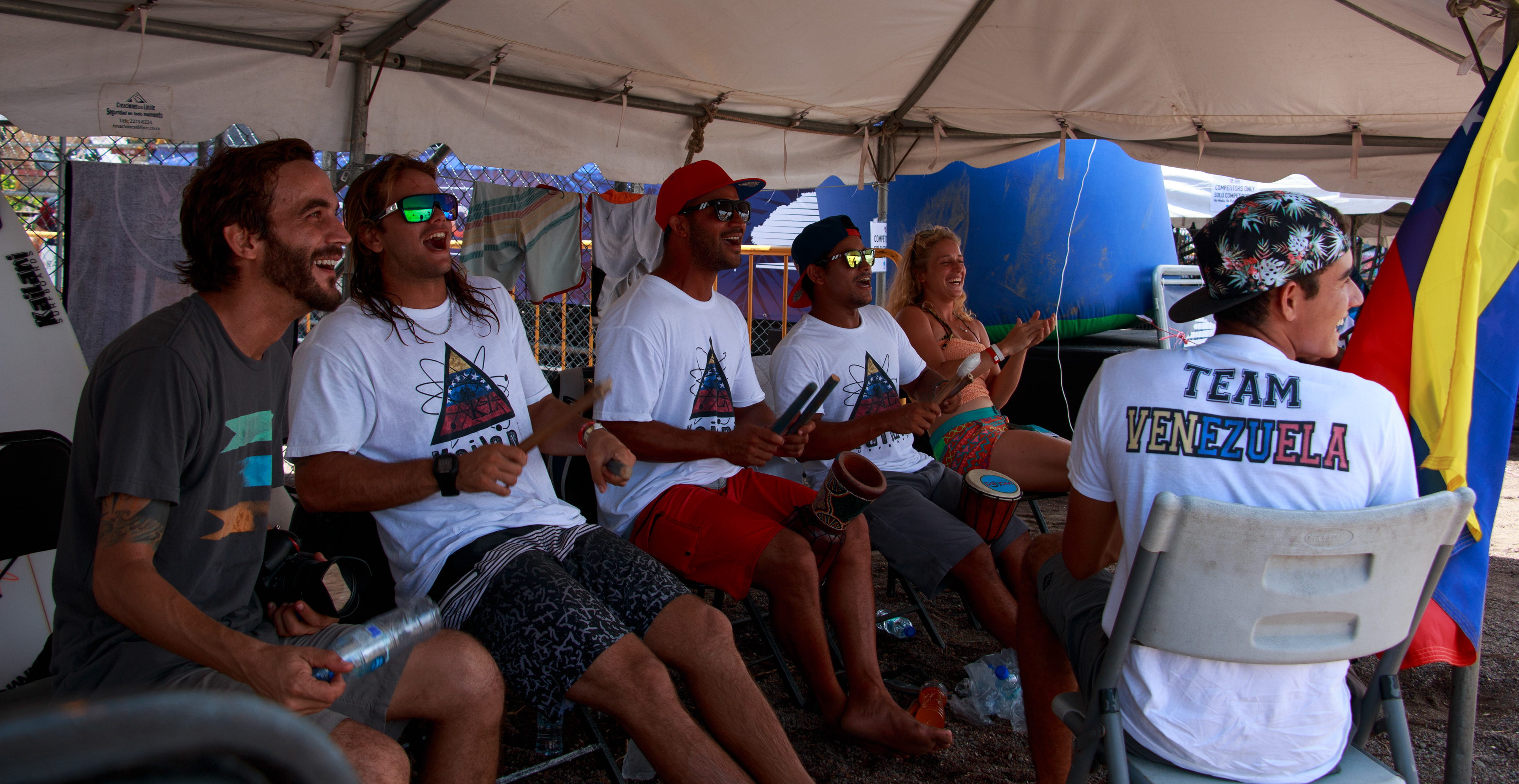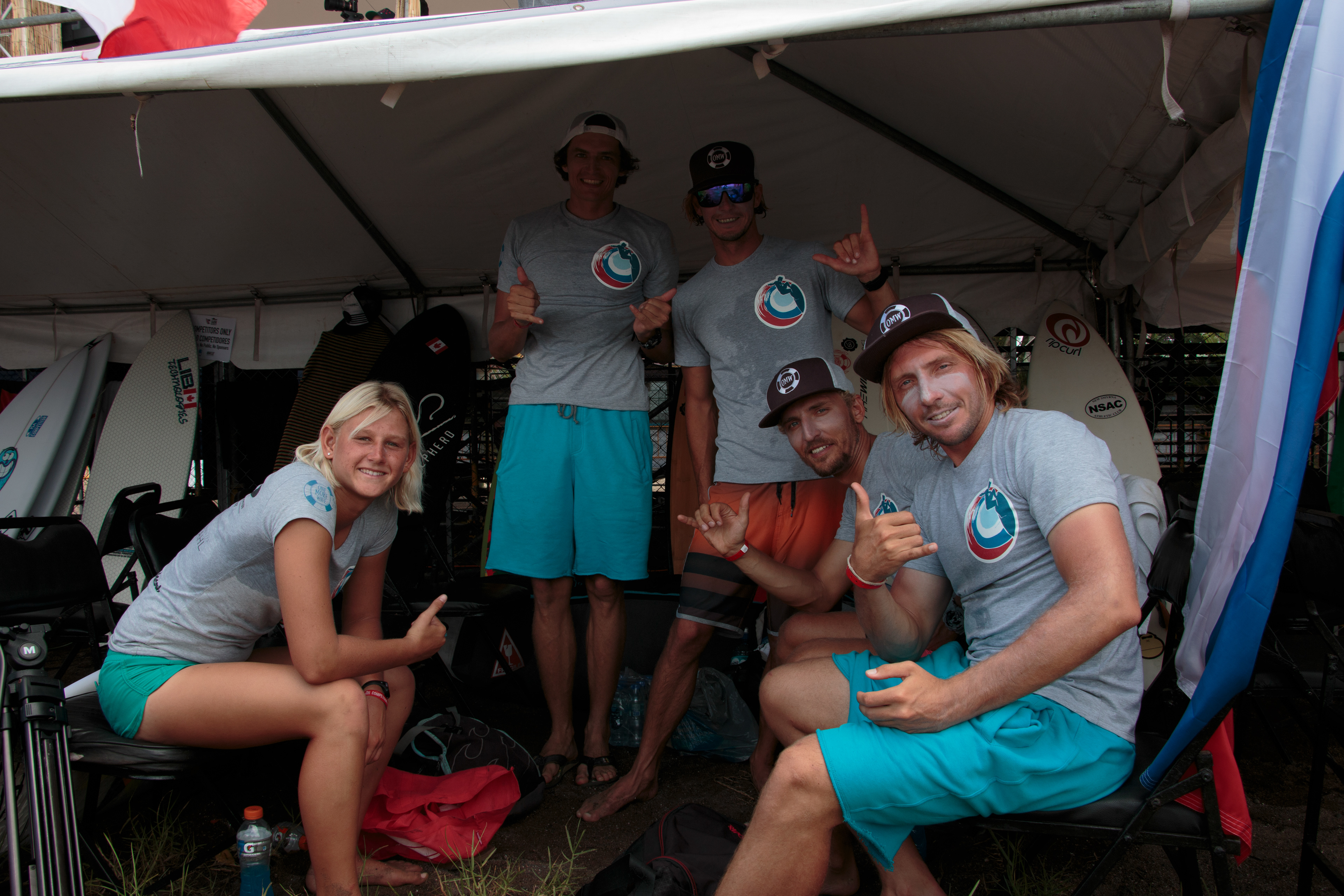


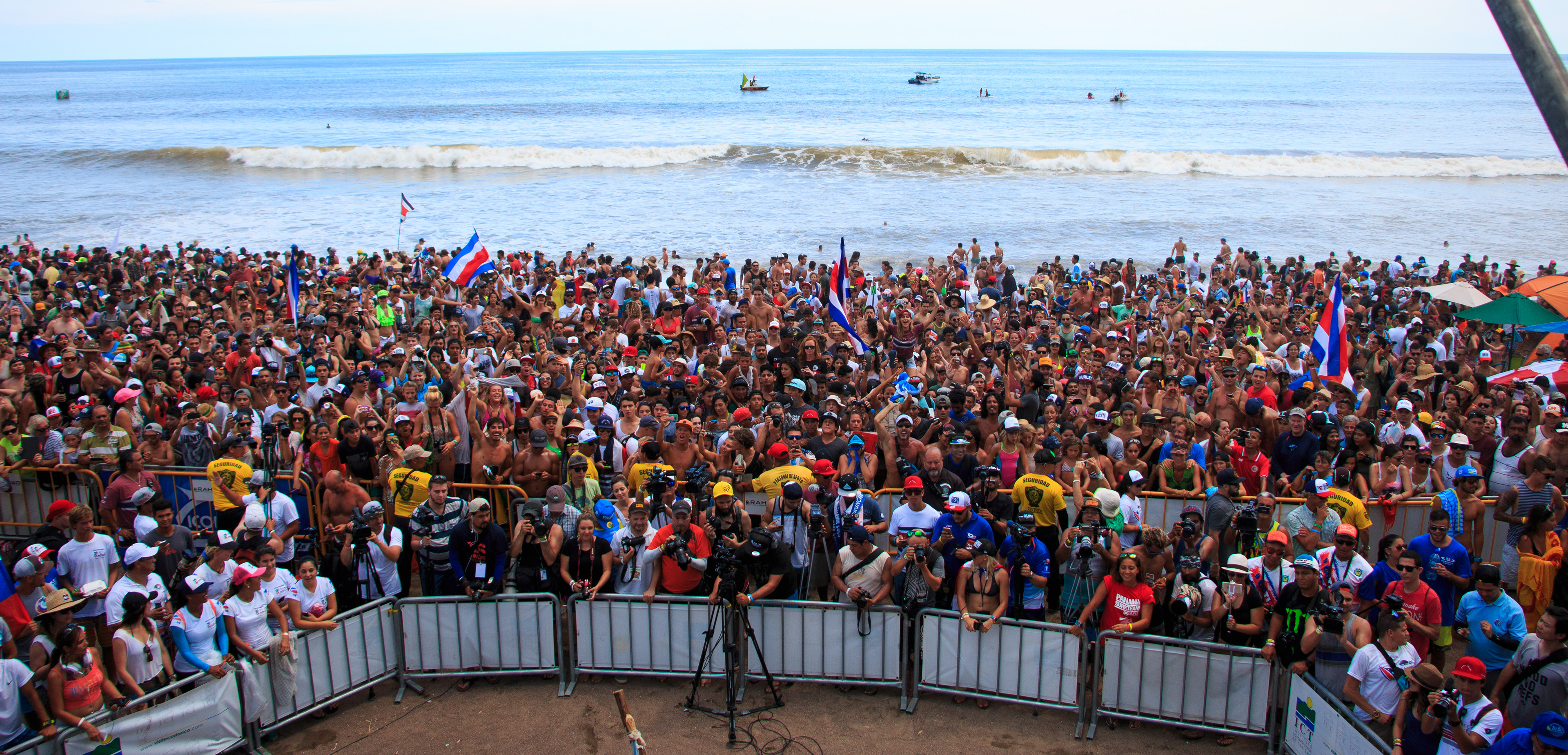
As a sports manager in 2016, I was in charge of hosting two major events, first the AIRBORN Huck & Hack (which became a massive thing for Costa Ricans because the Hawaiian legend of surf Bruce Irons was going to compete in it) and then picture this – the ISA World Surfing Games, a massive international event with 142 athletes from 26 countries and over 30,000 daily attendees.
Let me take you through some highlights and the valuable lessons I've learned along the way:
Logistics and Planning:
Lesson: The importance of meticulous planning cannot be overstated. From venue selection to transportation, accommodations, and scheduling, attention to detail is crucial.
International Collaboration:
Lesson: Working with an international event involves dealing with different cultures, time zones, and communication styles. Developing effective strategies for international collaboration and understanding cultural nuances is key.
Emergency Preparedness:
Lesson: Having contingency plans for unforeseen events, such as extreme weather conditions or medical emergencies, is essential. Being prepared for the unexpected ensures a smoother event execution.
Community Engagement:
Lesson: Involving the local community can enhance the event experience and create a positive impact. Engaging local businesses, residents, and volunteers can contribute to the overall success of the events.
Sponsorship and Funding:
Lesson: Securing adequate sponsorship and funding is crucial for the event's financial success. Building strong relationships with sponsors and finding creative ways to attract funding are valuable skills. We need at least 1 million dollars in sponsorship for the World Surfing Games to host the event in Costa Rica, a significant task, but we surpassed the goal!
Sustainable Practices:
Lesson: Incorporating sustainable practices, such as waste reduction, energy efficiency, and eco-friendly initiatives, not only aligns with the values of many attendees but also helps minimize the event's environmental impact. Community engagement and how we advertised the event as eco-friendly were crucial for success in this area. We are proud that we created beach cleaning teams for both events. All the members of the group were local people from the community.

Technology Integration:
Lesson: Embracing technology for event promotion, ticketing, and communication is essential in today's digital age. As an international event like the World Surfing Games, we need it to provide the best conditions for international media channels to cover the event, so having Wi-Fi at the beach enhances the overall experience for participants and spectators.
Media Management:
Lesson: Managing media coverage and ensuring positive publicity is crucial. Developing a marketing strategy, coordinating press releases, and handling interviews effectively were necessary in creating a positive image for the event, considering the necessity of the spectators, the country, and the sponsors.
Participant Experience:
Lesson: The satisfaction of participants, including athletes, officials, and volunteers, should be a top priority. Creating a positive and memorable experience for everyone involved contributes to the event's overall success and reputation.
Adaptability:
Lesson: Events are dynamic, and things don't always go as planned. The ability to adapt to changes, solve problems on the spot, and remain flexible is a valuable skill for any event organizer.